

At the time of this writing, the confirmation hearing for Secretary Tom Vilsack’s nomination for Secretary of Agriculture under President Biden is currently underway. One of the key cornerstones of Secretary Vilsack’s agenda is to help farmers capture, store, and get paid for the new cash crop in agriculture –...
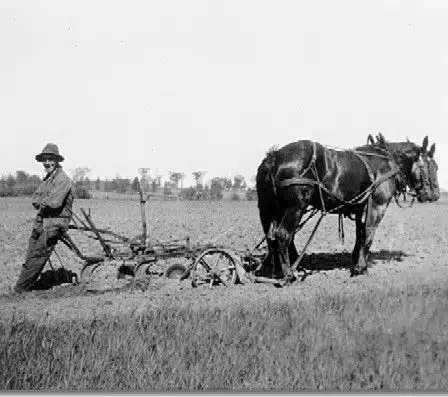
Making Old Technology New Again
With the increase in focus globally on how humans impact the environment, no group is being challenged more than the people who are responsible for feeding us all. Global populations are projected to increase to almost 10 billion people in the next thirty years, and farmers are faced with the...
Soil Remediation: The Role of Gypsum
The Problem: Our growing world population and the reduction in agricultural land/quality farmable soil are not a sustainable combination. Our food producer--the farmer—daily faces increasingly high costs for water, fertilizer, and implements to grow crops while simultaneously facing declining yields and damaged soil. Soil remediation has become an urgent issue....
Using Gypsum to Grow Better Alfalfa
Alfalfa is a popular forage crop grown across the world. To grow better alfalfa, farmers must manage soil conditions and nutrition well. EcoGEM® gypsum can help. It improves soil structure and provides calcium and sulfur. Alfalfa is well-adapted to the intermountain west’s climate and soils. In the drier, sunnier conditions,...
The multiple benefits of gypsum in agriculture
If considering a purchase of calcium sulfate dihydrate (gypsum), it is important to understand the many varied benefits and when they take effect in agriculture. As both a soil amendment and a crop nutrient source, gypsum will remediate sodic soils, help manage saline irrigation waters, provide calcium and sulfur as crop...
Organic growers take note: there is such a thing as organic gypsum
Can gypsum be applied on organic farms? Commercial farmers, organic growers, home owners, turf managers and others can benefit from application of gypsum (calcium sulfate) in remediating salinity and sodium issues and improving soil structure. However they can’t all use the same sources or gypsum for all garden soils. Mined...
What’s Your Grade? Agricultural or Solution?
Agricultural or solution? When reading marketing literature about gypsum, we often see gypsum referred to as solution grade gypsum. This product is primarily targeted for the irrigation market. Is solution grade gypsum any different than conventional gypsum? Gypsum is sold as either powdered ag-gyp or pelletized gypsum. However, ag-gyp can be marketed as...
Gypsum An its Role in Trapping Ammonia Gas
Animal manures and composts inevitably release ammonia into the atmosphere. These waste products are rich in nutrients and contain organic forms of nitrogen. They are rich in biological life that feed on carbon and nutrients, and in the process, they mineralize or release nutrients, including nitrogen. A very common problem...
Pellets, Prills, or Crushed: The Differences Explained
Ag Gyp is mined from deposits and is marketed as a powder. It can range in purity from less that 60% to more than 90% on a dihydrate equivalent basis. Since it was ground, it will pass through screen tests ranging from 50 to 200 mesh, and each batch will...
Gypsum & How It Corrects Aluminum Toxicity in the Subsoil
How does calcium remediate pH problems associated with an acid subsoil? Soils can be acid or alkaline. Acid soils occur where there has been a lot of rainfall over the centuries. Acid soils are highly weathered, and many minerals and bases have been leached. Alkaline soils develop in arid areas...