
Salem Spring Planting

As we welcome spring in Salem, it’s the perfect time to think about how we can enhance our gardening and farming efforts. With the agricultural industry facing the challenge of feeding a growing population while remaining sustainable, it’s crucial for us to explore effective solutions. Did you know that nearly 20% of greenhouse gases come from agriculture? This statistic highlights the importance of adopting sustainable practices in our farming methods, particularly through the use of innovative products like EcoGEM’s Soil Enhancer.
When we talk about spring planting, we’re not just discussing the act of putting seeds in the ground. We’re looking at a holistic approach to gardening and farming that promotes soil health, reduces water usage, and improves crop yields. In Salem, where the climate can vary, it’s essential to adopt strategies that are tailored to our specific environment. Here are some effective spring planting tips to consider:
- Implement soil amendments to boost nutrient levels.
- Focus on spring crops that thrive in our local climate.
- Follow a planting schedule to maximize your yield.
- Utilize gypsum for soil to improve structure and health.
- Prepare your garden for spring by testing soil quality.
By integrating these practices into our spring planting efforts, we can make a significant impact on the health of our soil and, ultimately, the quality of our crops. This is not just about farming; it’s about creating a sustainable future for our community. If you’re ready to learn more about how EcoGEM’s solutions can enhance your gardening experience, give us a call at (253) 348-2200 or visit our Contact Us page.
Salem Early Spring Planting
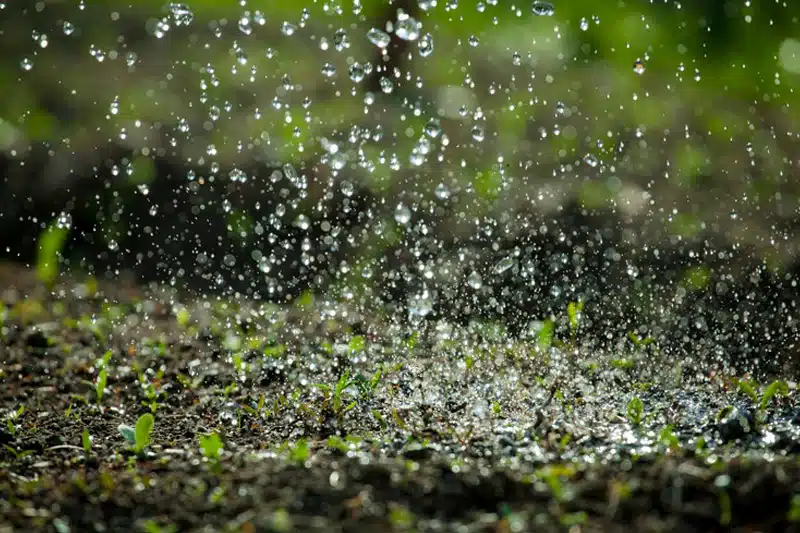
As we dive into early spring planting, it’s crucial to recognize the unique opportunities our local climate offers. With the right strategies, we can maximize our early yields and set ourselves up for a successful growing season. Research shows that early planting can significantly boost crop performance, especially when we consider local frost dates and seasonal weather patterns.
By understanding the nuances of early spring planting, we can make informed decisions that benefit our gardens and farms. This is particularly important in Salem, where early spring conditions can vary, impacting our planting schedules. Here are some key factors to keep in mind for early spring planting:
- Choose frost-resistant plants to ensure successful germination.
- Utilize soil amendments to prepare your soil effectively.
- Establish an early planting schedule for optimal growth.
- Incorporate gypsum to improve soil drainage and health.
- Monitor soil temperatures to determine the best planting times.
Adopting these early spring planting strategies can lead to healthier crops and a more productive gardening season. As we embrace these practices, we can contribute to a sustainable agricultural future in our area. For more information on how to enhance your early spring planting efforts, connect with us at EcoGEM by calling (253) 348-2200 or visiting our Contact Us page.
Salem Seasonal Farming
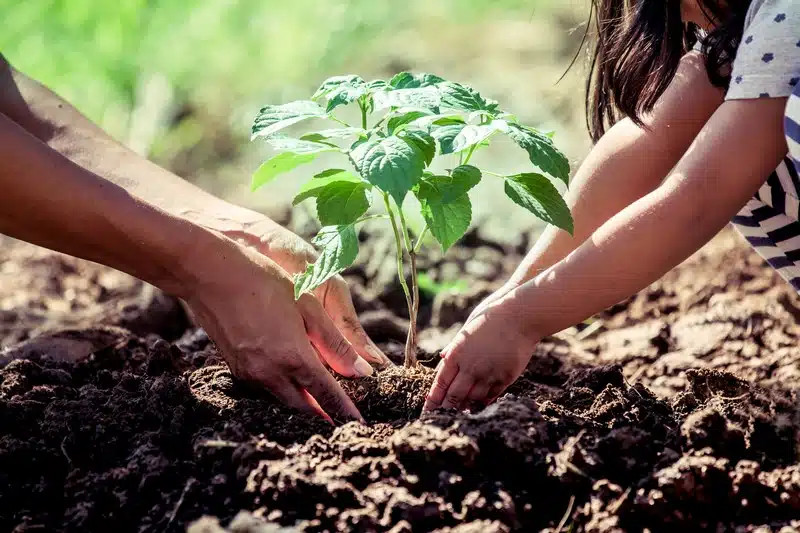
Seasonal farming is not just about planting and harvesting; it’s a comprehensive approach to managing our agricultural practices throughout the year. In Salem, understanding seasonal cycles and how they affect our crops can make a significant difference in our productivity. Studies indicate that incorporating seasonal practices can lead to improved soil health and increased yields.
As we consider seasonal farming, it’s essential to recognize how our local environment influences our farming decisions. This awareness allows us to implement strategies that align with our specific climate conditions. Here are some important aspects of seasonal farming to keep in mind:
- Rotate crops to maintain soil health and fertility.
- Implement sustainable farming techniques to reduce environmental impact.
- Schedule planting and harvesting according to seasonal changes.
- Use gypsum to enhance soil structure throughout the seasons.
- Adapt your farming practices to local weather patterns for better outcomes.
By embracing these seasonal farming practices, we can enhance our agricultural productivity while caring for the environment. It’s about more than just farming; it’s about creating a sustainable future for ourselves and future generations. For more details on how EcoGEM can support your seasonal farming efforts, reach out to us at (253) 348-2200 or check out our Contact Us page.