
Montrose Salt in Soil

At EcoGEM®, we understand the difficulties that an elevated level of Montrose salt in soil can bring. To address these challenges, we have developed comprehensive solutions that reduce soil salt concentrations, enhance crop yields, and improve overall soil health.
Our products are specifically formulated to combat Montrose salt in soil and boost its quality.
We are dedicated to providing effective solutions for managing soil salt levels. Through advanced technologies and research-backed practices, we strive to help local farmers enhance soil quality, increase crop production, and support the long-term sustainability of the agricultural industry.
Salt accumulation in your agricultural soil can significantly impact crop growth and productivity. However, our innovative soil salinity treatments offer a sustainable approach to resolving issues caused by Montrose salt in soil. Our offerings include:
- Soil fertility restoration
- Sustainable agriculture
- Gypsum soil treatments
- Gypsum for agriculture
Consult with the experts at EcoGEM® to explore our products and effectively manage Montrose salt in soil.
(303) 500-6944
Montrose Soil Salt Levels
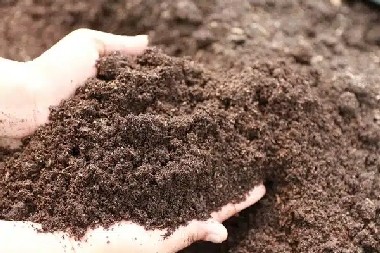
Integrating gypsum into your water management strategy can lead to substantial benefits and lower Montrose soil salt levels. Gypsum soil amendments can also enhance crop yield and quality, reduce environmental impact, and improve long-term soil health.
We recommend the regular application of gypsum to manage your Montrose soil salt levels and improve overall soil health. Our solutions are designed to help farmers use water more sustainably and mitigate the adverse effects of soil salinity.
Given that Montrose soil salt levels require careful management, we offer ongoing support to prevent soil salinity buildup. Address salt accumulation and ensure long-term soil health with:
- Soil salinity management
- Tailored salinity solutions
- Gypsum soil stabilizer
- Soil salt neutralization
Connect with EcoGEM® today to revolutionize your soil management practices. Our products are crafted to manage Montrose soil salt levels and sustainably enhance soil health.
(303) 500-6944
Montrose Salt Level in Soil

Gypsum stands out as a highly effective soil amendment for managing a high Montrose salt level in soil. Unlike other amendments, gypsum works by reacting directly with the salt in the soil. It also provides many additional benefits that improve soil health long-term.
While other soil amendments may help with a high Montrose salt level in soil, gypsum is generally considered to be the most effective option. Selecting the right amendment ensures efficient soil management practices that optimize plant growth and sustainability in saline conditions.
We assist farmers in making informed decisions based on their Montrose salt level in soil. Consider exploring these options:
- Soil salinity leaching
- Salt level management
- Eco-friendly soil solutions
- Agricultural gypsum
Our products are designed to manage a high Montrose salt level in soil. Don’t hesitate to contact EcoGEM® and enhance the health and productivity of your agricultural land.
(303) 500-6944