
EcoGEM Calcium
Sulfate Dihydrate
(Gypsum)

Certified for Organic Use by OMRI

Benefits

loader-image
Denver
8:49 pm, Jun 16, 2026
temperature icon 30°C
clear sky
17 %
999 mb
12 mph
Wind Gust: 21 mph
Clouds: 3%
Visibility: 10 km
Sunrise: 5:31 am
Sunset: 8:29 pm
Visit our online store!
EcoGEM in action:

Loveland Clay in Soil
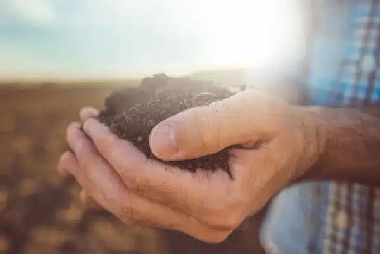
We offer products to reduce Loveland clay in soil in CO near 80538

EcoGEM® helps farms and gardens thrive by providing innovative solutions to enhance soil health. We understand the unique challenges associated with managing Loveland clay in soil and are committed to offering effective and sustainable solutions.

Loveland clay in soil is often prevalent and offers benefits like moisture retention. However, it can also become compacted, leading to poor drainage and restricted plant growth.

We address these challenges with our mineral-based products, particularly Calcium Sulfate Dihydrate (CSD), which offers many benefits to agricultural soils with a high clay content.

The rich agricultural history in this region is important to us, and we are proud to contribute to its continued success. By partnering with local farmers and gardeners, we aim to support the local agricultural industry and foster a healthier future for our community.

Here’s how we can help with Loveland clay in soil:

  • Improved soil structure
  • Improved drainage
  • Greater soil aggregation
  • Enhanced nutrient availability

Our mission is to heal the soil to feed the world. We offer a variety of products to meet your specific needs, whether you’re a small-scale gardener or managing a large agricultural operation.

Talk to the team at EcoGEM® to learn more about our innovative solutions for Loveland clay in soil.

(303) 500-6944

Loveland Soil Clay Levels

Let us help with your Loveland soil clay levels in CO near 80538

Understanding your Loveland soil clay levels is crucial for successful agriculture. The diverse agricultural landscape requires precise soil management to optimize plant growth and water usage.

Loveland soil clay levels can vary significantly across the region. Knowing these levels allows for tailored soil management practices, which will contribute to better fertility, productivity, and soil health. We offer a range of products designed to help you manage your soil’s clay content more effectively.

These are some of the benefits of understanding and managing your Loveland soil clay levels:

  • Improved plant growth
  • Better nutrient retention
  • Reduced compaction
  • Increased plant productivity

Our experts provide guidance on interpreting soil test results and developing customized soil management plans to address your specific needs.

Call EcoGEM® to ask questions about the best strategies for managing your Loveland soil clay levels.

(303) 500-6944

Loveland Clay Soil

Loveland clay soil remedies in CO near 80538

Colorado’s unique environment presents both opportunities and challenges for growing healthy, productive crops. Understanding the characteristics of Loveland clay soil is essential for achieving success in gardening and farming.

Loveland clay soil can be dense and compact, leading to poor drainage and limited root growth. However, with proper management, these challenges can be overcome. As your gypsum supplier, we provide mineral-based solutions to improve clay soil structure and fertility, resulting in healthier plants and increased yields.

Here’s how we can assist with Loveland clay soil:

  • Improved soil aeration
  • Enhanced water infiltration
  • Increased calcium supply
  • Promoted root development

Our products are designed to work harmoniously with nature, unlocking the full potential of your clay soil.

Get in touch with EcoGEM® to find solutions for Loveland clay soil.

(303) 500-6944

Frequently Asked Questions

How often should Loveland clay soil be treated preventively?

Annual or biannual applications are recommended for managing Loveland clay in soil, particularly in fields along the Big Thompson River corridor where clay accumulation is heavy. Scheduling treatments before spring planting prevents compaction from worsening. Eco-Gem's Calcium Sulfate Dihydrate improves soil structure proactively, reducing the likelihood of drainage failures and restricted root growth throughout the growing season.

Can compacted Loveland clay soil be treated urgently mid-season?

Severely compacted Loveland clay in soil can be addressed mid-season when crop stress becomes visible. Snowmelt from the Front Range foothills frequently saturates fields west of US-34, accelerating compaction emergencies. Eco-Gem offers rapid mineral-based interventions using Calcium Sulfate Dihydrate that begin improving drainage and aggregation quickly, helping to limit yield loss without waiting for the next planting cycle.

Do Loveland soil clay level tests require utility locates first?

Soil sampling for Loveland soil clay levels that involves deep probing on irrigated farmland should be preceded by a Colorado 811 utility locate request, particularly near established irrigation infrastructure in Larimer County's agricultural zones. Eco-Gem recommends coordinating with local ditch companies, including the Northern Colorado Water Conservancy District, before any subsurface work to avoid damaging buried irrigation or drainage lines.

Does Eco-Gem assess Loveland clay levels differently for farms vs. gardens?

Commercial farms and residential gardens in Loveland have different Loveland soil clay levels management needs. Large operations along County Road 9E require broad-acre product quantities and mechanised application, while residential properties in older Loveland neighbourhoods near Lincoln Park need smaller, targeted treatments. Eco-Gem develops customised soil management plans scaled to both commercial acreage and small home garden plots.

Are Loveland permits needed before amending clay soil on farmland?

Most mineral-based amendments applied to Loveland clay soil do not require a permit from the City of Loveland or Larimer County. However, operations near protected riparian corridors along the Cache la Poudre or Big Thompson rivers may need to comply with Colorado Department of Agriculture nutrient management regulations. Eco-Gem can advise growers on applicable local requirements before beginning any soil conditioning programme.

What factors affect the cost of treating Loveland clay soil?

Pricing for treating Loveland clay soil depends on acreage, current clay content identified through soil testing, and site accessibility across Larimer County's varied terrain. Fields with severe compaction or proximity to elevation changes west of I-25 may require higher product volumes. Eco-Gem bases its quotes on customised soil test results, ensuring you pay for only the mineral inputs your specific Loveland property actually needs.