
Lakewood Clay in Soil

At EcoGEM®, we provide innovative mineral-based products that improve the health of soil, water, and the environment on a global level.
We understand the unique challenges that come with Lakewood clay in soil, and we are committed to providing solutions that promote sustainable agriculture and improve the quality of life for our community.
We are passionate about providing solutions that are accessible and affordable, enabling you to achieve rapid results for your Lakewood clay in soil and achieve considerable returns on investment.
Our products are sourced from both Utah and Arizona, and we own the rights to more than 10 million tons of Calcium Sulfate Dihydrate (CSD), ensuring a reliable and sustainable supply for our customers. Our CSD products are available in bulk form as well as pre-packaged for retail distribution and purchase.
Here are a few ways we can help you improve your Lakewood clay in soil:
- Improving soil friability
- Increasing soil permeability
- Reducing soil compaction
- Increasing water infiltration
With our products, you can improve soil health and water management. We provide customized solutions to meet your specific needs and achieve optimal results.
Overcome the challenges associated with Lakewood clay in soil with the help of EcoGEM®. Our products are the tools you need to improve your agricultural land.
(303) 500-6944
Lakewood Soil Clay Levels
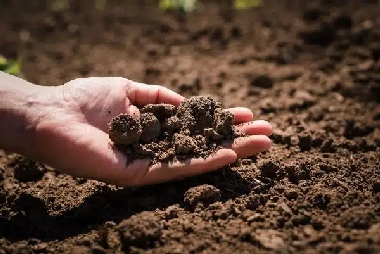
It’s important that you understand your Lakewood soil clay levels so that you can better manage your soil health and agricultural productivity. Knowing your Lakewood soil clay levels is crucial for successful gardening and landscaping.
For example, clay-heavy soil can impact drainage and root growth, leading to potential plant stress or disease. By knowing your soil’s clay content, you can amend it with organic matter, sand, or other soil products to improve drainage and aeration, creating a healthier environment for plants.
Depending on your clay levels, you can also select appropriate plants that thrive in your soil conditions. We recommend working with your soil to improve plant health, receive better results, and save time and effort in maintaining your garden or landscape.
This is why we provide customized solutions tailored to unique Lakewood soil clay levels.
You’ll enjoy these benefits when you manage the clay content in your soil:
- Enhanced water retention
- Improved soil drainage
- Optimized soil stability
- Increased microbial activity
By carefully assessing the Lakewood soil clay levels on your land, you can make informed decisions that improve the overall health and productivity of your soil.
Contact the team at EcoGEM® to learn more about our soil remediation products and how they can help your farm, landscape, or garden.
(303) 500-6944
Lakewood Clay Soil

Lakewood clay soil presents unique challenges and opportunities for farmers and gardeners. It’s crucial to understand the properties of Lakewood clay soil and find sustainable solutions that help you overcome its limitations.
Recent research indicates that improving Lakewood clay soil health can lead to significant increases in crop yields, making a significant impact on food security and sustainability. This is why we offer high-quality, natural gypsum products that transform your soil health and promote sustainable agriculture.
Our gypsum soil enhancers can help with:
- Silty clay soil
- Clay content
- Soil plasticity
- Dense agricultural soil
When you understand the clay content in your soil, you can work with your agricultural land instead of against it. We are committed to providing solutions that promote healthy soil, protect the environment, and contribute to a more sustainable future.
Talk to the professionals at EcoGEM® and purchase our products for your Lakewood clay soil.
(303) 500-6944