
Benefits
- Increase Crop Yield
- Improve Soil Structure
- Improve Water Infiltration
- Reduce Fertilizer Use
- Reduce Soil Run Off by 60%
Parker Gypsum

If you are looking for a natural and sustainable solution for improving soil structure and fertility, gypsum in Parker, CO, could be the answer. Gypsum is a naturally occurring mineral that can provide both essential nutrients and structural benefits to your soil.
EcoGEM® is one of the leading suppliers of gypsum.
Parker gypsum is made up of calcium sulfate dihydrate, which helps to improve the physical structure of your soil by reducing the density of clay particles. Parker gypsum helps create space in the soil, allowing air and water to move more freely so plants can access them more easily.
Parker gypsum also increases water infiltration and permeability.
We are proud to offer:
- Ag gypsum
- Soil amendment gypsum
- Bulk gypsum for sale
- Soil conditioner
Call EcoGEM® for Parker gypsum questions or to place an order.
(303) 500-6944
Parker Calcium Sulfate Dihydrate
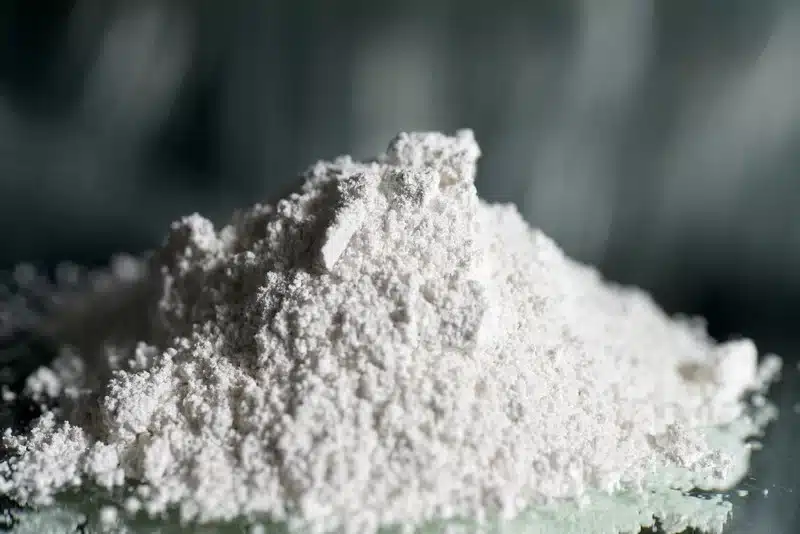
Parker calcium sulfate dihydrate is an incredibly beneficial natural soil amendment with a variety of uses. Not only can Parker calcium sulfate dihydrate be used to reduce erosion, but it can also help improve the soil’s structure and fertility while breaking up clay and compacted soils.
The application of Parker calcium sulfate dihydrate improves the overall fertility of your soil. Calcium sulfate dihydrate helps to neutralize soils with high pH levels and can reduce the need for other expensive fertilizers.
With all these benefits and more, there is no question that Parker calcium sulfate dihydrate can make a world of difference for your land—so why not give it a try? If you are looking to buy calcium sulfate dihydrate, look no further than us.
We specialize in:
- Agricultural gypsum for sale
- Calcium sulfate dihydrate gypsum
- Gypsum for farming
- Agricultural gypsum for clay soil
Call EcoGEM® for Parker calcium sulfate dihydrate.
(303) 500-6944
Parker CaSO4.2H2O
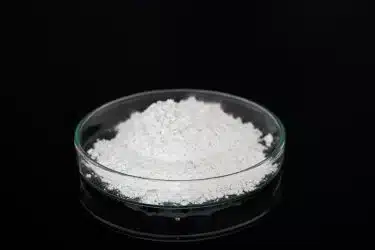
Parker CaSO4.2H2O is an important, yet underrated part of agriculture and has the potential to benefit a wide range of crops and soils. Parker CaSO4.2H2O can have a significant impact on reducing soil compaction, improving water infiltration, and helping crops take up more nutrients.
It is important to consider the available options for purchasing gypsum and select the product that best fits your needs and budget. Luckily you have found one of the leading gypsum suppliers.
What is the best part about our Parker CaSO4.2H2O? It is easy to use and comes in a variety of pack sizes, so you can get exactly what you need without costing too much. With its fast shipping, you will have Parker CaSO4.2H2O in no time at all.
Come to us for the following:
- Gypsum calcium sulfate dihydrate
- Gypsum for agriculture
- CaSO4 dihydrate
- Garden gypsum
Call EcoGEM® for Parker CaSO4.2H2O.
(303) 500-6944
Frequently Asked Questions
How does a Parker gypsum soil treatment unfold step by step?
Parker gypsum treatment typically begins with a soil assessment to measure clay density and pH, followed by calculated product spreading, incorporation, and a post-application irrigation cycle. In Parker's Front Range soils along corridors like Motsenbocker Road, the full process from assessment to initial results usually spans two to four weeks. Eco-Gem guides clients through each stage.
What spreader equipment suits Parker's rocky Front Range soil?
Parker gypsum application on Parker's mixed clay and rocky Front Range terrain performs best with calibrated spinner or pendulum spreaders capable of handling coarse aggregate. Standard drop spreaders can clog on Parker's gravel-laced topsoil. Eco-Gem recommends equipment that delivers consistent coverage across uneven ground typical of Douglas County acreage properties near Parker Road.
How often should Parker farms reapply calcium sulfate dihydrate?
Parker calcium sulfate dihydrate should be reapplied every two to three years on Parker's high-clay soils, which are common across Douglas County agricultural parcels east of E-470. Annual soil testing through the CSU Extension office in Douglas County helps confirm when reapplication is needed before compaction or pH imbalance re-establishes. Eco-Gem can assist with scheduling.
Can calcium sulfate dihydrate quickly reverse Parker crop compaction emergencies?
Parker calcium sulfate dihydrate can deliver measurable compaction relief within days when applied to waterlogged or severely compacted fields, which is critical during Parker's intense spring snowmelt periods when Douglas County soils become densely saturated. Immediate surface application followed by light tillage accelerates ion exchange and aeration. Contact Eco-Gem at (303) 500-6944 for urgent order fulfillment.
Does Parker CaSO4.2H2O application need utility locates first?
Surface-broadcast Parker CaSO4·2H2O generally does not require a utility locate, but any incorporation via deep tillage on Parker acreage properties near infrastructure corridors like Parker Road or Chambers Road should be preceded by a Colorado 811 dig-safe request. Douglas County does not mandate permits for soil amendment spreading. Eco-Gem advises clients on safe application depths to avoid buried lines.
Does Parker CaSO4.2H2O differ for commercial farms versus home gardens?
Commercial acreage in Parker's rural Douglas County zones requires bulk-rate Parker CaSO4·2H2O delivered by the pallet or ton, while residential garden plots in Parker subdivisions like Stroh Ranch typically need smaller bagged quantities at lower application rates. Soil density and crop load drive the difference in dosage calculations. Eco-Gem supplies both bulk and retail pack sizes to accommodate either scope.

