
Florence Irrigation and Gypsum
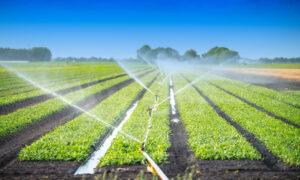
As we navigate the challenges of modern agriculture in Florence, it’s essential to acknowledge the role of effective irrigation and soil management. With the agricultural landscape changing rapidly, we face the pressing need for solutions that promote sustainability while also addressing cost concerns. Research indicates that agriculture contributes nearly 20% of greenhouse gases globally, which amplifies the urgency of adopting better practices. This is where EcoGEM’s innovative gypsum solutions come into play, specifically tailored to enhance irrigation and improve soil health.
In Florence, where the agricultural community strives to maintain productivity amidst environmental concerns, our services stand out. By utilizing gypsum, we can address multiple issues that affect irrigation efficiency and soil quality. This approach not only supports farmers in meeting the demands of a growing population but also aids in reducing the environmental footprint of farming practices.
Here are some key benefits of integrating gypsum into our irrigation systems:
- Gypsum for efficient irrigation promotes better water penetration.
- Using gypsum in irrigation systems enhances nutrient uptake.
- Gypsum benefits for irrigation include reduced soil compaction.
- Improved irrigation flow with gypsum application leads to healthier crops.
- Water retention and gypsum in irrigation help conserve vital resources.
Implementing gypsum in our irrigation practices can significantly improve soil structure and water management. This is crucial for ensuring that our farms remain productive and sustainable, especially in the face of increasing environmental challenges. For more information on how EcoGEM can assist you in enhancing your irrigation practices, we encourage you to reach out. Call us at (253) 348-2200 or visit our Contact Us page for more details.
Florence Gypsum for Droughts
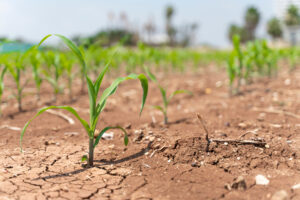
Drought conditions are becoming increasingly prevalent, particularly in regions like Florence, where agricultural productivity relies heavily on effective water management. Studies show that the frequency and intensity of droughts have increased over the past few decades, making it imperative for farmers to adopt innovative solutions. Gypsum can play a vital role in this regard, providing critical benefits for drought-stricken soils.
By leveraging the unique properties of gypsum, we can enhance soil moisture retention and improve overall drought resilience. This is especially significant in Florence, where effective moisture management can make a substantial difference in crop yields.
Consider these advantages of using gypsum for drought management:
- Gypsum solutions for drought-prone areas enhance soil water absorption.
- Using gypsum to retain soil moisture leads to healthier plants.
- Drought-resistant soil with gypsum supports sustainable farming.
- Applying gypsum for drought mitigation can boost crop productivity.
- Gypsum benefits in dry conditions improve soil structure.
Utilizing gypsum not only helps in maintaining soil health during dry spells but also contributes to more efficient use of available water resources. This approach is essential for ensuring that our agricultural practices in Florence remain viable in the face of climate challenges. For more insights into how gypsum can assist in drought management, connect with us at (253) 348-2200 or visit our Contact Us page.
Florence Irrigation Water Use
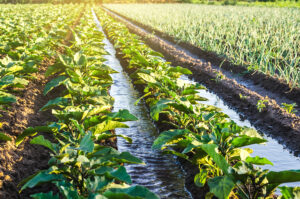
Irrigation water use is a critical factor in maintaining agricultural productivity, especially in areas like Florence where water resources can be limited. With ongoing discussions around sustainable practices, the need for optimized irrigation techniques has never been more important. Research indicates that nearly 70% of freshwater resources are utilized for irrigation, highlighting the urgency of improving water efficiency.
In our local context, we must focus on adopting strategies that minimize water waste while maximizing crop yields. The integration of gypsum into our irrigation practices can lead to remarkable improvements in water use efficiency.
Here are some key considerations for effective irrigation water use:
- Efficient irrigation water use can significantly reduce costs.
- Water-saving irrigation techniques lead to sustainable farming practices.
- Optimizing irrigation water consumption enhances crop resilience.
- Reducing water waste in irrigation supports environmental sustainability.
- Smart irrigation systems for water use improve overall efficiency.
By focusing on responsible irrigation practices and the incorporation of gypsum, we can help ensure that our agricultural systems in Florence are both productive and sustainable. For those interested in learning more about how EcoGEM can support your irrigation efforts, please reach out at (253) 348-2200 or explore our Contact Us page for additional information.