
EcoGEM Calcium
Sulfate Dihydrate
(Gypsum)

Certified for Organic Use by OMRI

Benefits

loader-image
Denver
4:14 pm, Aug 12, 2026
temperature icon 32°C
broken clouds
27 %
1002 mb
2 mph
Wind Gust: 5 mph
Clouds: 79%
Visibility: 10 km
Sunrise: 6:09 am
Sunset: 8:00 pm
Visit our online store!
EcoGEM in action:

Tri-Cities Eco Farming

Eco-Farming-Tri-Cities-WA

Soil health is important when you are planning on shifting to eco farming in the Tri-Cities, WA area. As soil is a vital source for plants to intake nutrients and grow, poor soil health can limit your agricultural results. Modern farming practices have left soil health in poor condition, which is why you need special organic products when you want to carry on with eco farming in the Tri-Cities area.

We at EcoGEM® understand this which is why we have engineered organic gypsum products that boost the soil health and eco farming in Tri-Cities. Even though gypsum has been used for many decades, the modern market is full of low-quality gypsum. We solve this problem for you by providing high-quality and tested gypsum that helps with eco farming goals in Tri-Cities. We provide these options:

  • Gypsum soil conditioner
  • Gypsum soil amendment
  • Agricultural gypsum
  • Gypsum for compacted soil

Call EcoGEM® for help with eco farming in Tri-Cities!

(303) 500-6944

Tri-Cities Organic Agriculture
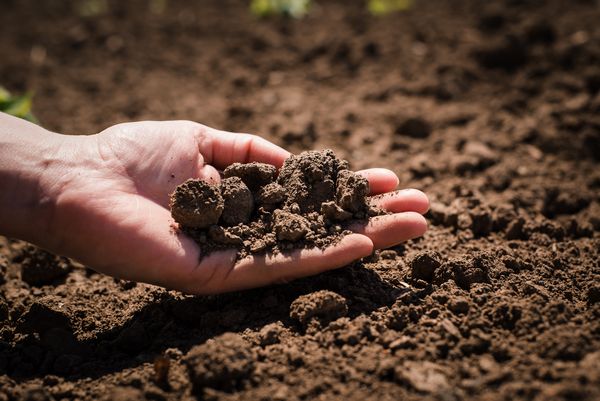
Organic-Agriculture-Tri-Cities-WA

Regenerative organic agriculture is the need of the hour not only in the Tri-Cities but around the globe. As global arable land is depreciating, the demand for food is ever increasing. This has led to a serious shift to chemical fertilizers which has led to poor soil health. When you want to practice organic agriculture in the Tri-Cities area, we recommend using our non-toxic and organic products.

We are dedicated to helping you restore soil health so you can enjoy organic agriculture in Tri-Cities as it was intended to be. When the soil condition is better, you will notice a significant boost in the production, quality, and yield. Therefore, make the right choice with our products for organic agriculture in Tri-Cities as they can help with these concerns:

  • Contaminated land remediation
  • Soil remediation
  • High crop yield
  • Increased water holding capacity

Call EcoGEM® for help with organic agriculture in Tri-Cities!

(303) 500-6944

Tri-Cities Regenerative Organic

Regenerative-Organic-Tri-Cities-WA

Are you interested in the idea of regenerative organic farming in the Tri-Cities area but worried about poor soil health? If yes, then your worries end with us. Our OMRI listed products are all you will need to fight off soil problems and practice regenerative organic farming in Tri-Cities with ease.

Simply contact us about our organic gypsum that has several benefits for regenerative organic farming techniques in the Tri-Cities area. Our expert agronomists are here to help you make the right decision. Come to us when you want gypsum for regenerative organic farming in Tri-Cities that takes care of these soil concerns:

  • Soil compaction
  • Soil contamination
  • Soil erosion
  • Poor soil structure

Call EcoGEM® for help with regenerative organic farming near Tri-Cities!

(303) 500-6944

Frequently Asked Questions

How often should Tri-Cities farms schedule eco farming soil maintenance?

Farms practicing Tri-Cities eco farming in the Columbia Basin's silt-loam soils typically benefit from seasonal gypsum applications — at minimum once before spring planting and once after harvest. Eco-Gem's agronomists recommend scheduling a soil assessment annually to account for the region's low annual rainfall (around 8 inches) and ongoing irrigation-driven salt buildup.

Can compacted Tri-Cities farm soil be treated urgently mid-season?

Mid-season soil compaction is a real threat in Tri-Cities given the area's heavy irrigation demand along the Columbia River corridor. Tri-Cities eco farming operations can apply Eco-Gem's agricultural gypsum as an urgent soil conditioner without waiting for a new season — it works quickly to break compaction and restore nutrient uptake before crops suffer irreversible yield loss.

Do Tri-Cities irrigation lines need locating before gypsum application?

Tri-Cities farms rely heavily on subsurface drip and pivot irrigation systems fed by the Columbia Basin Irrigation Project, making utility coordination essential before any soil amendment work. For Tri-Cities organic agriculture, growers should contact Washington 811 for a dig-safe locate before application. Eco-Gem's team factors existing irrigation infrastructure into every product recommendation to avoid line disruption.

Does Eco-Gem's organic agriculture approach differ for large Tri-Cities commercial farms?

Tri-Cities organic agriculture spans everything from small Kennewick market gardens to large-scale Pasco and Richland row-crop operations. Eco-Gem scales gypsum soil conditioner and amendment volumes to match acreage, adjusting application rates for commercial fields where contaminated land remediation and high crop yield goals require broader, more frequent treatment plans than smaller residential plots.

Are Washington State permits needed before starting regenerative organic farming in Tri-Cities?

Washington State's Department of Agriculture requires WSDA organic certification for farms marketing products as organic, and Benton or Franklin County may require land-use review for new agricultural operations near Tri-Cities' urban growth boundaries. Tri-Cities regenerative organic growers should verify local zoning with county planning offices before beginning. Eco-Gem's OMRI-listed products support certification compliance from the outset.

What affects the upfront cost of regenerative organic soil treatment in Tri-Cities?

Pricing for Tri-Cities regenerative organic soil treatment depends on acreage, current soil compaction severity, and contamination levels common in Tri-Cities farmland historically exposed to agricultural chemical runoff near the Columbia River. Delivery distance across Benton and Franklin Counties also factors in. Eco-Gem provides transparent quotes based on soil assessments, ensuring growers only pay for what their specific conditions require.