
Benefits
- Increase Crop Yield
- Improve Soil Structure
- Improve Water Infiltration
- Reduce Fertilizer Use
- Reduce Soil Run Off by 60%
Bentonville Eco Farming
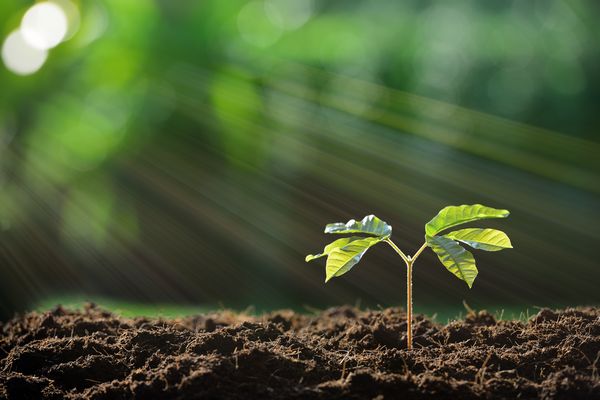
Do you practice eco farming in Bentonville, AR or the surrounding area? Then you very well realize that synthetic fertilizers are not permitted in eco farming in Bentonville. We have an organic soil amendment that is an excellent source of calcium and increases nutrients in organic food.
At EcoGEM®, we support those practicing eco farming in the Bentonville area. That is why we provide organic, engineered agricultural and food grade Calcium Sulfate amendments and products that significantly benefit plant and soil in organic agriculture in Bentonville. We have high quality gypsum for those practicing these types of farming:
- Bio farming
- Eco friendly agriculture
- Sustainable agriculture
- Environmentally friendly farming
If you have any questions regarding the role of gypsum in eco farming in Bentonville, please do not hesitate to get in touch with us.
Call EcoGEM® for eco farming gypsum near Bentonville.
(303) 500-6944
Bentonville Organic Agriculture
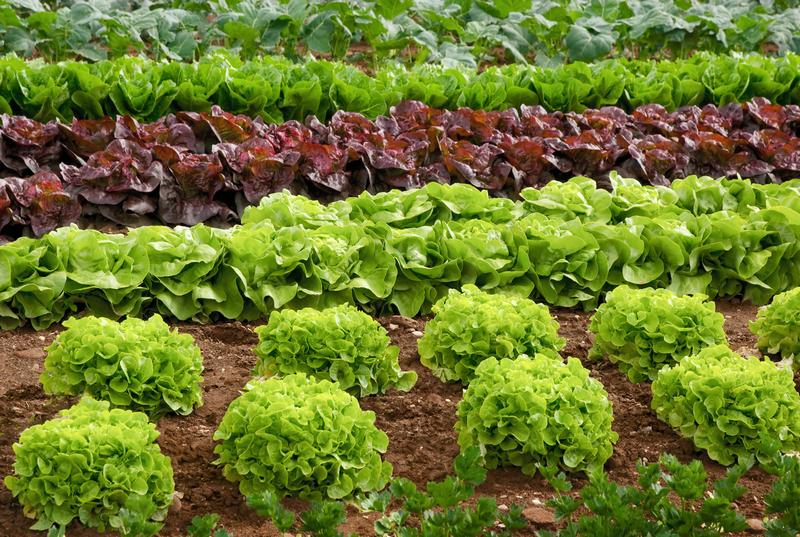
It should also be noted that using gypsum as a soil conditioner in organic agriculture in Bentonville reduces irrigation water needs, increases crop yield, blocks phosphorous and nitrogen runoff, and gets rid of salt and toxins.
We are one of the premier suppliers of pure, all-natural gypsum serving farmers and crop growers practicing organic agriculture in Bentonville.
We offer these products:
- Organic fertilizers for agriculture
- Gypsum soil amendments
- Bulk gypsum for sale
- Gypsum for self sufficient farms
The market is flooded with poor-quality Calcium Sulfate Anhydrite which is not suitable for use in organic agriculture in Bentonville. We are proud to offer pure Calcium Sulfate Dihydrate, or gypsum that will greatly benefit those practicing organic agriculture in Bentonville or nearby.
Call EcoGEM® for organic agriculture gypsum near Bentonville.
(303) 500-6944
Bentonville Regenerative Organic
Regenerative organic practices in Bentonville give priority to soil health. These practices focus on rejuvenating and revitalizing soil. Soil health plays a huge role in everything from plant health to the future of Earth. But, sadly, soil currently is at risk. We have made it our mission to return global arable land back to production. That is why we offer gypsum soil amendments to those practicing regenerative organic farming in Bentonville.
We offer help for all your regenerative organic farming needs:
- Organic farming products
- Fertilizers for local organic farms
- Gypsum for organic vegetable farming
- Organic gypsum fertilizer
Regenerative organic agriculture can be a huge solution to climate change. It is no surprise that all eyes are on regenerative organic agriculture. So if you are looking to rebuild soil organic matter and restore degraded soil, consider incorporating gypsum in your regenerative organic farming practices in Bentonville.
Call EcoGEM® for regenerative organic farming gypsum near Bentonville.
(303) 500-6944
Frequently Asked Questions
How often should Bentonville eco farms schedule gypsum soil applications?
Annual gypsum applications are recommended for most Bentonville eco farming operations, particularly given the region's Ozark-influenced silt loam soils that compact seasonally and deplete calcium between growing cycles. Scheduling treatments before spring planting maximises nutrient availability. Eco-Gem supplies pure Calcium Sulfate Dihydrate to support a consistent, compliant prevention schedule for Bentonville-area growers.
Can gypsum urgently restore Bentonville eco farm soil after heavy Ozark flooding?
Yes — post-flood sodium and toxin buildup in Bentonville's lowland fields can be rapidly addressed with gypsum. Bentonville eco farming operations along the Osage Creek corridor are especially vulnerable after storm events. Eco-Gem provides fast-turnaround bulk gypsum orders so growers can flush salts, restore permeability, and protect crop yields before the next planting window closes.
Do Bentonville organic agriculture fields require utility locates before gypsum application?
Surface-broadcast gypsum typically does not require a dig-safe utility locate, but Bentonville farms near arterial corridors like U.S. Highway 71 with buried irrigation or drainage infrastructure should contact Arkansas 811 before any soil injection or deep incorporation. Eco-Gem recommends verifying line placement before applying Bentonville organic agriculture gypsum amendments to avoid disrupting subsurface farm infrastructure.
Does gypsum scope differ for Bentonville's large commercial farms versus small plots?
Commercial farm operations in Bentonville's rural northwest Benton County corridors typically require bulk gypsum tonnage, while smaller market garden plots need precision-dosed soil amendments. Eco-Gem accommodates both scales, offering bulk gypsum for sale alongside targeted gypsum soil amendment products suited to Bentonville organic agriculture at any acreage, with product purity consistent across every order size.
Are Bentonville permits required before starting regenerative organic farming?
Benton County and the City of Bentonville do not require a standalone permit for gypsum soil amendments, but growers pursuing USDA organic certification must document all inputs used on their operation. Bentonville regenerative organic farmers should confirm that gypsum products meet National Organic Program standards before application. Eco-Gem's Calcium Sulfate Dihydrate is engineered specifically to satisfy those certification requirements.
What drives gypsum treatment costs for Bentonville regenerative organic farms?
Pricing for Bentonville regenerative organic soil treatment depends on acreage, existing soil sodium or compaction levels, and freight distance from distribution points serving northwest Arkansas. Bentonville's variable terrain — from creek bottomland to upland clay ridges — also affects application volume needed. Eco-Gem helps growers control costs by supplying pure, high-efficiency gypsum that requires less product per acre than lower-grade Calcium Sulfate Anhydrite alternatives.