
Denver Clay in Soil

EcoGEM® is leading the way to improved soil health and sustainable food production.
As a leading provider of environmentally friendly soil amendments, we’re passionate about offering innovative solutions that address the unique challenges faced by local farmers and gardeners, especially challenges that stem from high levels of Denver clay in soil.
Healthy soil is essential for a thriving community and a sustainable future. We understand the importance of using natural solutions for Denver clay in soil that protect the environment. We are committed to providing local landowners with affordable and accessible products that improve soil health and boost agricultural productivity.
Our mission is to make high-quality, mineral-based products like our Calcium Sulfate Dihydrate (CSD) accessible. By working with nature, we take a natural, environmentally friendly approach to restoring Denver clay in soil that also increases crop yields and profits.
Here’s a glimpse of what we bring to our community:
- Clay soil solutions
- Soil amendments in bulk
- Strategies for soil remediation
- Improved soil stability
If you’re ready to make a difference the agricultural industry, it’s time to consider purchasing our products. Improving soil health is a critical step toward sustainable agriculture and a healthier environment.
We are committed to supporting local efforts and providing the tools and knowledge necessary to create a vibrant and thriving agricultural community in our area. Call EcoGEM® today to discuss how our solutions for Denver clay in soil can benefit your garden or farm.
(303) 500-6944
Denver Soil Clay Levels
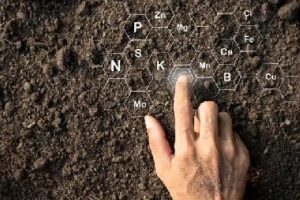
Denver soil clay levels play a vital role in the health and productivity of the local agricultural industry. Understanding the unique characteristics of our soil is crucial for ensuring optimal growth and yield.
Our commitment to sustainable agriculture is evident in our focus on soil health and improvement. We offer effective solutions that address the challenges associated with Denver soil clay levels.
Our approach uses natural mineral-based products like gypsum and helps to improve soil structure. This is essential for healthy plant growth and strong agricultural yields.
We tackle Denver soil clay levels with:
- Organic gypsum fertilizers
- Sustainable soil solutions
- Eco-friendly soil treatments
- Mineral soil amendments
We offer a reliable supply of high-quality, affordable solutions that improve clay levels. By partnering with our team, farmers and gardeners can use sustainable agricultural practices while ensuring the health of their land for generations to come.
Contact EcoGEM® today to discuss how we can help improve your Denver soil clay levels.
(303) 500-6944
Denver Clay Soil

Denver clay soil is unique in its composition and properties. Understanding these characteristics is essential if you want to maximize the potential of your land.
Our company is driven by a commitment to providing local farmers, landscapers, and gardeners with the resources and knowledge they need to achieve successful agricultural outcomes.
We’ve created innovative solutions that address the unique challenges of Denver clay soil. Our products, which include Calcium Sulfate Dihydrate (CSD) as a key ingredient, are designed to mitigate the effects of high clay content in your soil.
We are passionate about promoting sustainable agricultural practices and helping to unlock the full potential of Denver clay soil.
Here’s how we help you address your soil’s clay content:
- Improved water infiltration
- Reduced soil compaction
- Soil erosion management
- Clay soil aeration
With the tools and knowledge to achieve sustainable agricultural practices, we help farmers to respect and work with the environment. We’re committed to helping our community achieve thriving agriculture and a vibrant future.
Talk to the team at EcoGEM® to purchase our solutions and see their effect on your Denver clay soil.
(303) 500-6944