
Longmont Clay in Soil
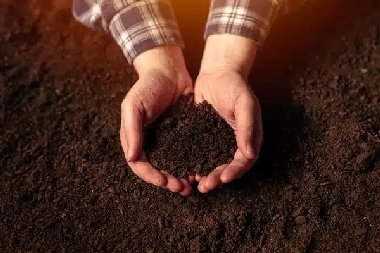
At EcoGEM®, we are dedicated to offering sustainable solutions to enhance soil health, especially for farmers and ranchers dealing with Longmont clay in soil. We recognize that Longmont’s unique climate and soil conditions pose challenges for maintaining productive land.
That’s why we provide high-quality, mineral-based products designed to improve soil health and support sustainable agriculture.
Our products include Calcium Sulfate Dihydrate (CSD), also known as gypsum. CSD is a natural mineral that enhances soil structure, improves water infiltration, and boosts nutrient availability.
It’s particularly effective in breaking down compacted Longmont clay in soil, facilitating root growth and water penetration. Our goal is to help you improve your soil health and contribute to a healthier planet.
In addition to providing top-notch products, we are committed to promoting sustainable practices. We offer expert advice and resources to ensure you use our products effectively.
Here are some benefits of using our products for high clay content:
- Improved water infiltration
- Enhanced soil structure
- Increased nutrient availability
- Reduced soil erosion
Longmont clay in soil can be challenging, but with the right tools and knowledge, it can be effectively managed. Our products are designed to enhance soil health, improve structure, and promote resilience against erosion.
Contact EcoGEM® today to discover how our solutions can improve the health of your Longmont clay in soil and boost your yields!
(303) 500-6944
Longmont Soil Clay Levels

Managing Longmont soil clay levels is essential for maintaining optimal soil health across our varied agricultural landscape. Understanding your soil’s clay content is crucial for effective farming and ranching. We offer solutions tailored to address the specific needs of different Longmont soil clay levels.
We provide a range of products and services to optimize soil clay levels, ensuring the best outcomes for your crops and livestock. We can help you tailor solutions to the unique soil composition on your land, empowering you with the knowledge and tools needed for long-term soil health and fertility.
Consider these factors when managing Longmont soil clay levels:
- Soil texture
- Gypsum application rates for clay soils
- Clay soil structure
- Crop selection
Understanding and addressing your soil clay levels is key to improving soil health and achieving successful farming outcomes. We offer products to help you manage your soil conditions.
Call EcoGEM® to discuss your Longmont soil clay levels and explore how our solutions can enhance your soil health.
(303) 500-6944
Longmont Clay Soil

Maintaining healthy Longmont clay soil is crucial for effective farming and ranching. However, we understand that the diverse terrain and variable weather patterns in this region create challenges for soil productivity and resilience.
As a result, we are committed to providing the resources and knowledge needed to manage Longmont clay soil effectively. Our high-quality, mineral-based products address the specific needs of clay soils.
Here’s how our products benefit Longmont clay soil:
- Better plant growth
- Optimized soil aggregation
- Increased crop yields
- Better soil aeration
When your agricultural land has a high clay content, you may face issues like compaction, which affects water distribution and root growth. Our products help alleviate compaction, make nutrients more available, and reduce erosion.
Talk to EcoGEM® today to discover how our products can enhance the health and productivity of your Longmont clay soil.
(303) 500-6944