

 27°C
27°C

Castle Rock Clay in Soil
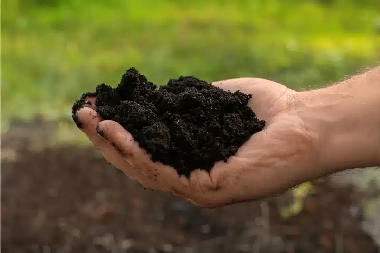
EcoGEM® provides innovative solutions for enhancing soil, water, and environmental health using mineral-based products. Our focus is on promoting regenerative agriculture, which supports the health and productivity of natural resources.
Castle Rock is part of a region heavily reliant on agriculture. We understand the critical link between healthy soil and a thriving community, so we prioritize the health of Castle Rock clay in soil. Our goal is to benefit individual growers and the local economy.
We offer Calcium Sulfate Dihydrate (CSD) as a powerful solution for local farmers and gardeners. CSD is a natural mineral that improves soil health by enhancing drainage, increasing water retention, and promoting nutrient uptake.
Our CSD products, sourced from Utah and Arizona, are available in both bulk and pre-packaged forms. By supporting regenerative practices, we contribute to the health of Castle Rock clay in soil and the region’s agricultural success.
Use our products for Castle Rock clay in soil to:
- Improve soil structure
- Increase water retention
- Enhance crop yields
- Reduce soil erosion
- Promote carbon sequestration
We offer a variety of CSD products specifically formulated to meet the needs of different soil types and applications. These products are crucial for sustainable agriculture, ensuring that the land remains fertile and productive for future generations.
EcoGEM® supplies products that can transform your agricultural land. Talk to our team today and find solutions that effectively manage Castle Rock clay in soil.
(303) 500-6944
Castle Rock Soil Clay Levels
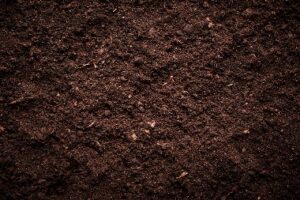
This area features a diverse agricultural landscape with varying soil clay levels. Understanding the composition and properties of your soil is essential for maximizing its potential. Excess Castle Rock soil clay levels can lead to compacted soil, hindering root growth and water penetration.
On the other hand, insufficient clay content can cause erosion and nutrient loss.
We provide a comprehensive range of soil amendment products that can reduce the negative impact of high Castle Rock soil clay levels. Our experts recommend assessing your soil in order to create a unique soil management plan.
We provide customized solutions to optimize your Castle Rock soil clay levels, leading to better yields and sustainable agriculture.
Enjoy these advantages of using our products:
- Improved soil health
- Increased yields
- Sustainable farming
- Reduced environmental impact
The team at EcoGEM® is happy to discuss your Castle Rock soil clay levels. We can help you determine how to optimize your soil’s potential.
(303) 500-6944
Castle Rock Clay Soil

To maintain a vibrant agricultural landscape, managing Castle Rock clay soil is crucial. The unique composition and texture of clay soil can present both challenges and opportunities for those in the agricultural industry.
We offer innovative solutions for managing Castle Rock clay soil. Our specialized products and services are designed to improve soil structure, drainage, and water retention, resulting in healthier plants and greater yields.
By addressing the specific challenges of Castle Rock clay soil, we help farmers and gardeners achieve their goals while promoting sustainable agriculture.
Here’s how our products transform your agricultural practices:
- Enhanced soil aeration
- Reduce compaction
- Optimize water management
- Better nutrient uptake
- Enhancing soil fertility
Explore the solutions EcoGEM® offers today. We help your farmland achieve its full potential despite Castle Rock clay soil and other challenges.
(303) 500-6944